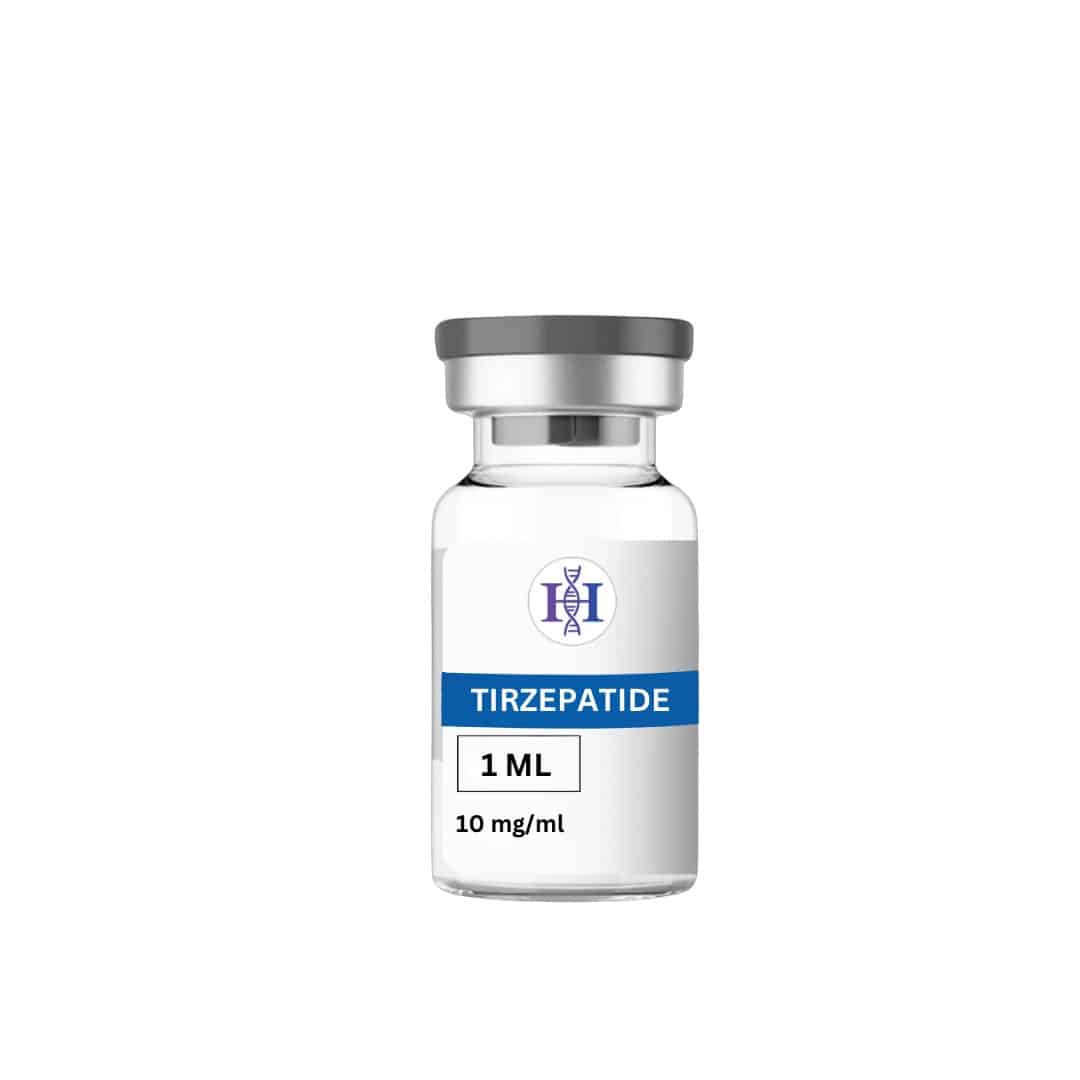
Tirzepatide

,

$199.00

  • Accelerated Healing
  • Reduced Inflammation
  • Improved Joint Health

Consent Form

- +

Description

Tirzepatide represents a cutting-edge advancement in diabetes treatment, leveraging the synergistic effects of two incretin hormones: Glucose-Dependent Insulinotropic Polypeptide (GIP) and Glucagon-Like Peptide-1 (GLP-1). These hormones play a pivotal role in glucose homeostasis. GIP, secreted by the K-cells of the small intestine, enhances insulin synthesis and release from pancreatic beta cells in a glucose-dependent manner, also playing a role in lipid metabolism. GLP-1, produced in the L cells of the intestine, similarly stimulates insulin secretion while inhibiting glucagon release, but uniquely contributes to delayed gastric emptying and reduced appetite.

Tirzepatide, as a dual agonist, harnesses these mechanisms, offering a more comprehensive approach to blood sugar regulation compared to treatments targeting only one of these pathways. This dual action not only improves glycemic control but also assists in weight management, a common challenge in type 2 diabetes management. The integration of these two pathways in a single therapeutic agent marks a significant advancement in the pharmacological management of diabetes.

FAQ

FAQ

Benefits include significant improvements in blood sugar control, potential weight loss, and a lower risk of hypoglycemia compared to some other diabetes medications.

Common side effects include gastrointestinal symptoms like nausea, vomiting, diarrhea, and reduced appetite. These tend to decrease over time.

Tirzepatide is administered via subcutaneous injection, typically once a week.

Yes, it can be used alongside other diabetes medications, but it’s important to monitor blood sugar levels closely to avoid hypoglycemia.

Studies have shown that Tirzepatide can lead to significant weight loss in some individuals, likely due to its effects on appetite and food intake.

Individuals with a personal or family history of medullary thyroid carcinoma or Multiple Endocrine Neoplasia syndrome type 2 should not use Tirzepatide. It’s also not recommended for patients with severe gastrointestinal disease.

While individual responses can vary, some patients may see improvements in blood sugar levels within a few weeks of starting treatment.

Long-term effects are still being studied, but current data suggests it is effective and relatively safe for long-term use in the management of type 2 diabetes. However, ongoing research and post-market surveillance continue to assess its long-term safety profile.

Blog

Blog

Introduction: In the ongoing battle against obesity and its associated health complications, the quest for effective weight loss solutions continues to drive …

Shopping Cart